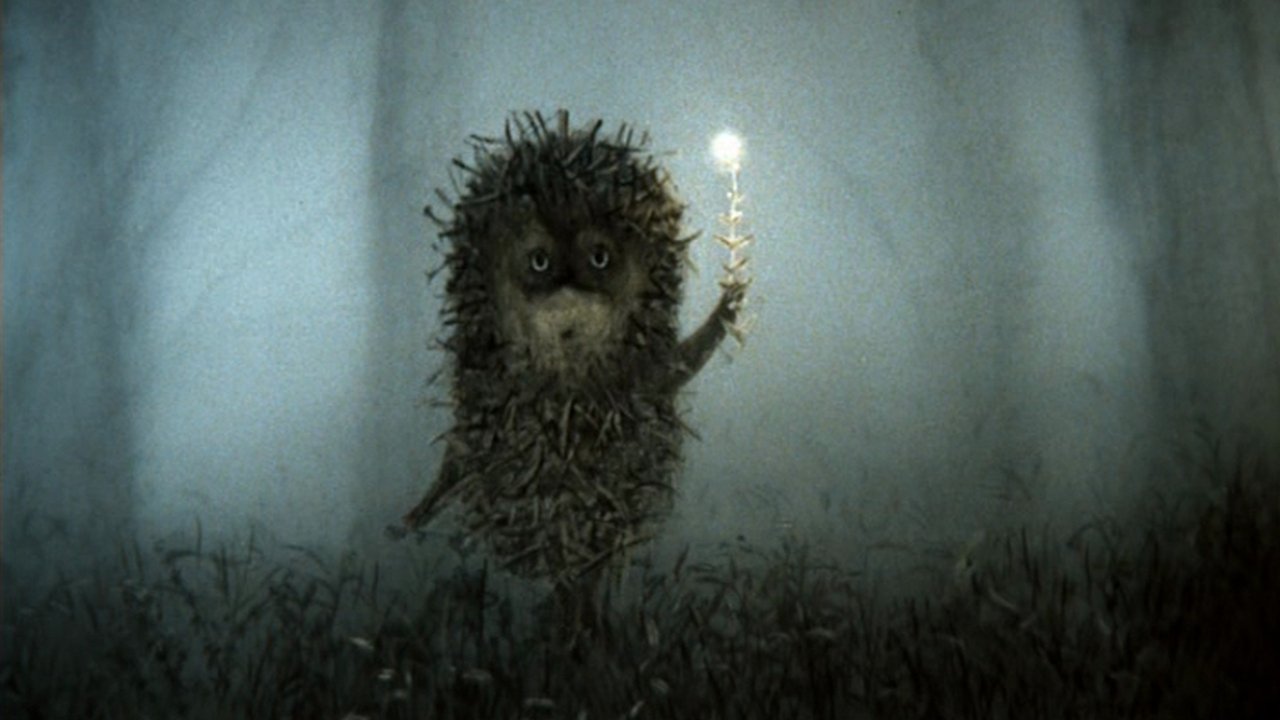
1975 · Film · Soyuzmultfilm
Hedgehog in the Fog
A little hedgehog, on the way to visit his friend the bear, gets lost in thick fog, where horses, dogs and even falling leaves take on a terrifying new aspect...
1975 · Film · Soyuzmultfilm
A little hedgehog, on the way to visit his friend the bear, gets lost in thick fog, where horses, dogs and even falling leaves take on a terrifying new aspect...
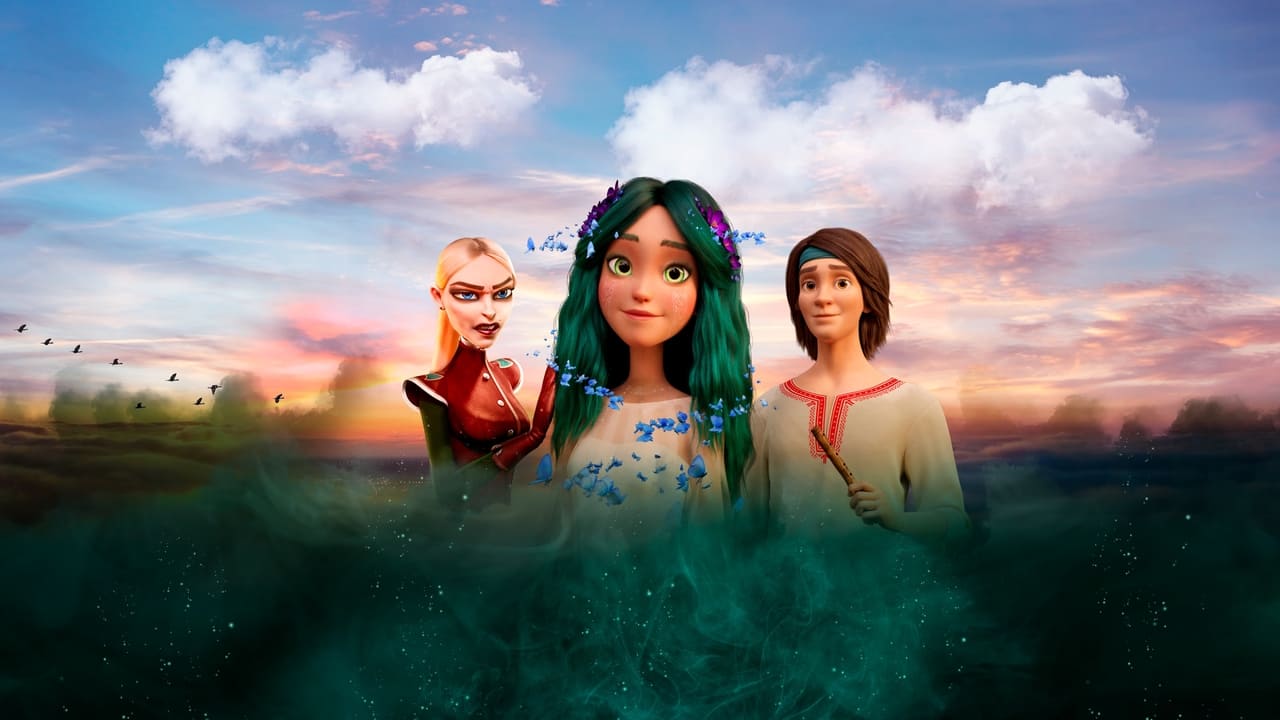
2023 · Film · Animagrad Animation Studio
Mavka, a Soul of the Forest, faces an impossible choice between love and her duty as Guardian of the Heart of the Forest when she falls for a human, a talented young musician named Lukas.
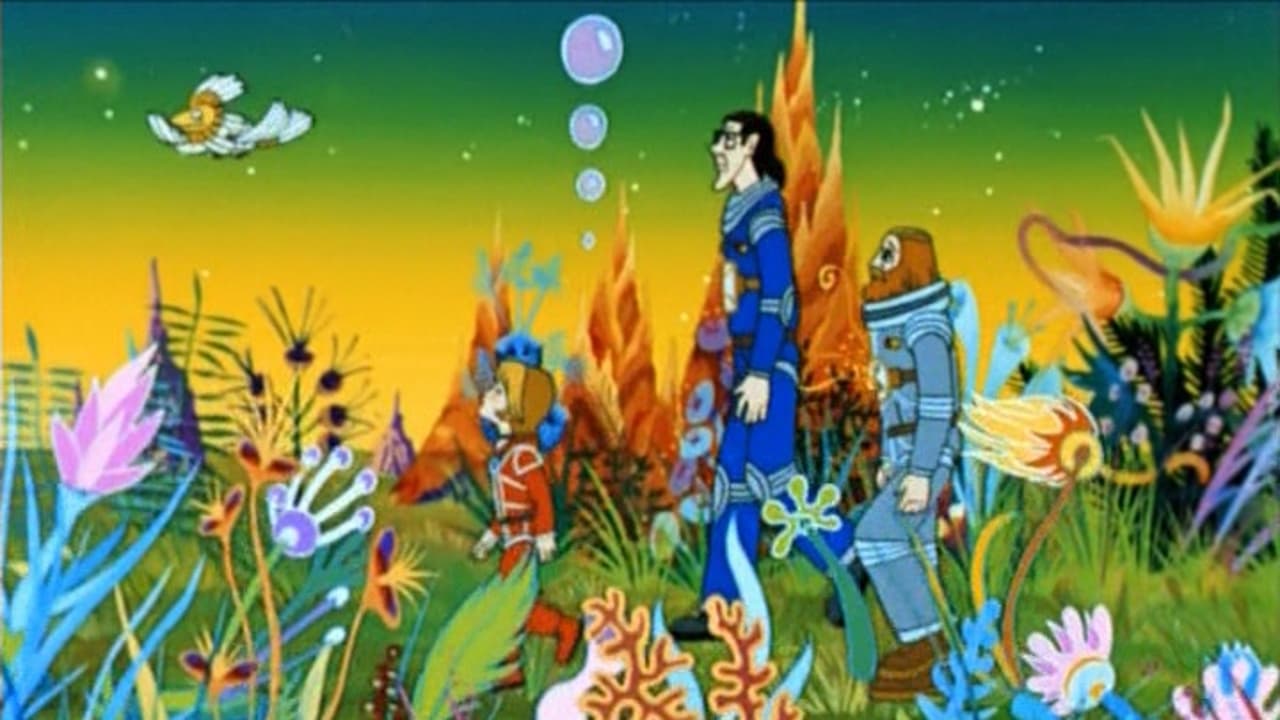
1981 · Film · Soyuzmultfilm
At the end of the 22nd century Alisa Seleznyova, her father Professor Seleznyov and pilot Zelyony go on a space expedition to find rare animals for Moscow Zoo. On the way they seem to encounter a mysterious conspiracy led by Doctor Verhovtsev against legendary Two Captains Kim and Buran. The only clue is a talking bird Сhatterer [Govorun] that our heroes accidentally took possession of.
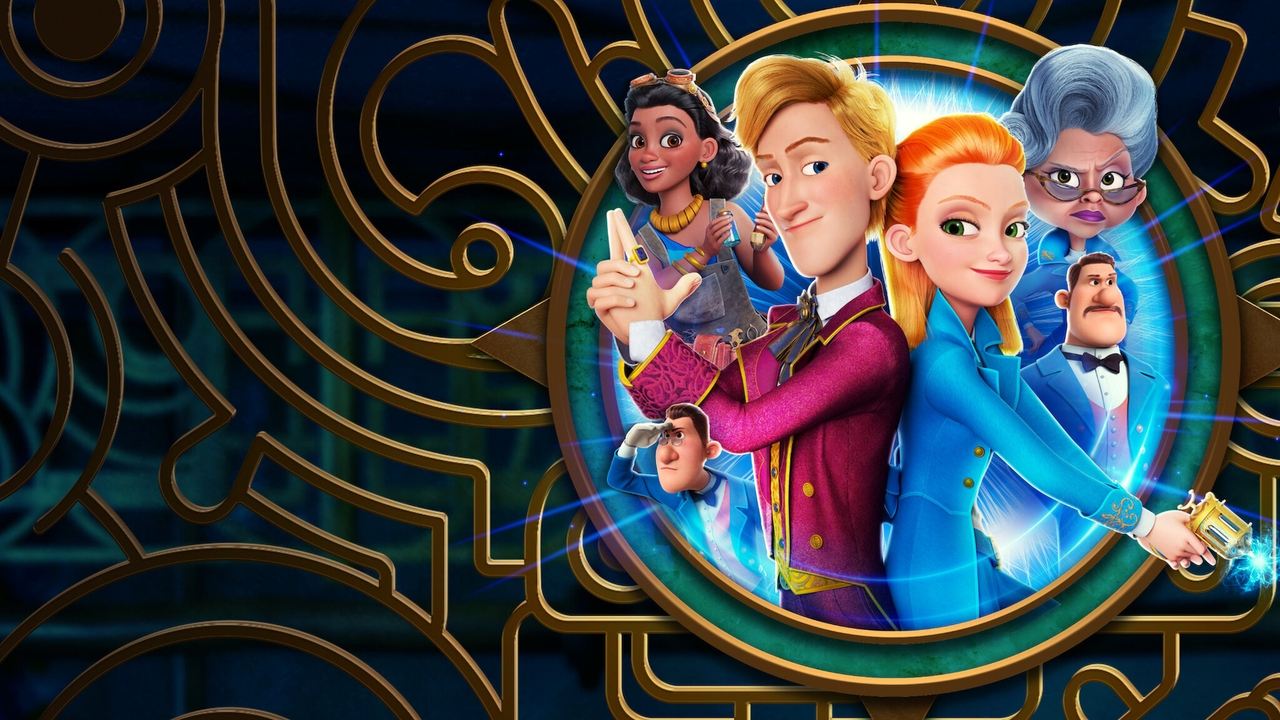
2021 · Film · CTB Film Company
The Secret Magic Control Agency sends its two best agents, Hansel and Gretel, to fight against the witch of the Gingerbread House.
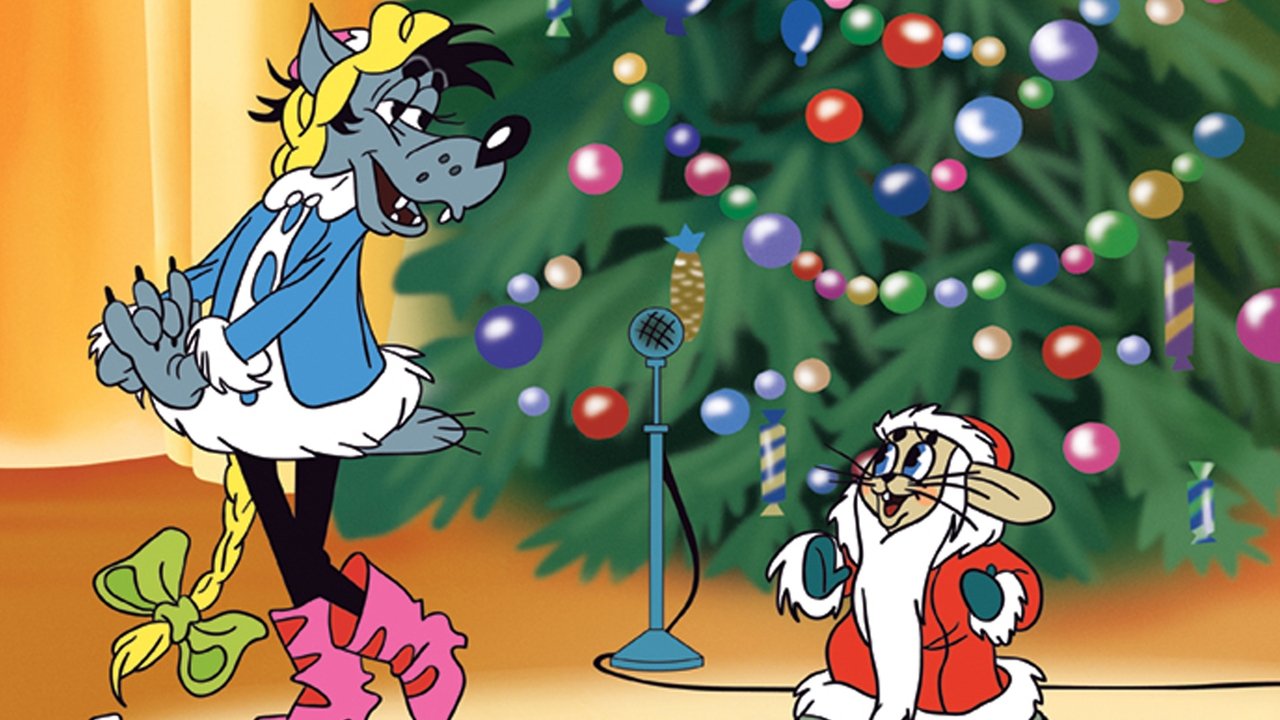
1969 · Series · Soyuzmultfilm
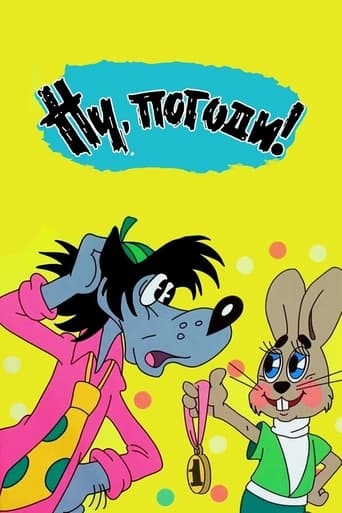
Follows the comical adventures of a mischievous yet artistic wolf [Volk], trying to catch a hare [Zayats]. The series has additional characters that usually either help the hare or interfere with the wolf's plans
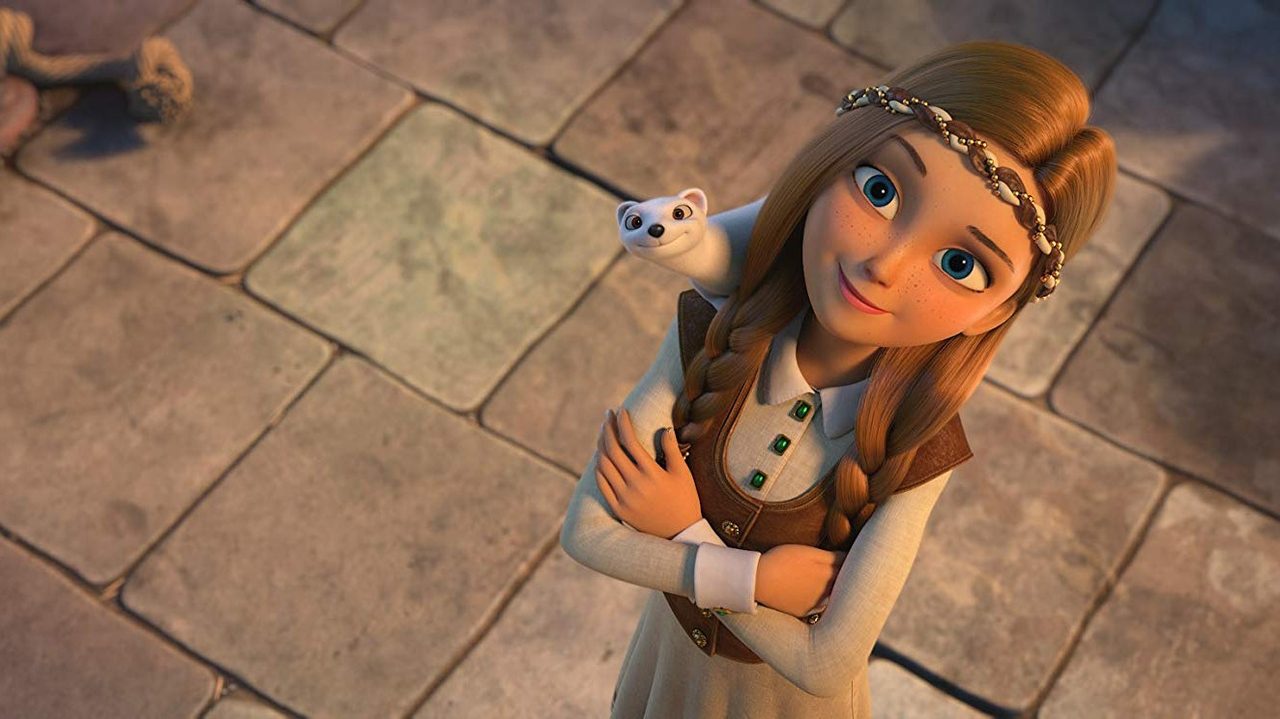
2018 · Film · Central Partnership
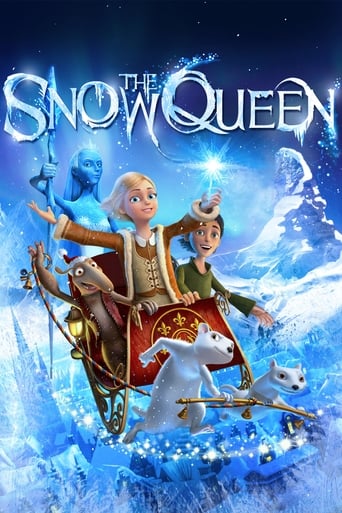
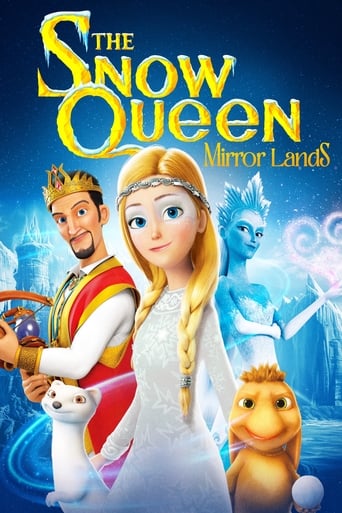
A mighty king has lost his family because of the Snow Queen. He finds a way to expel all magic creatures from his world to Mirrorlands. Gerda and Snow Queen, along with all wizards and magicians, have to forget their offenses and disputes to defend their right to exist and not to allow fairytales to disappear from our lives.
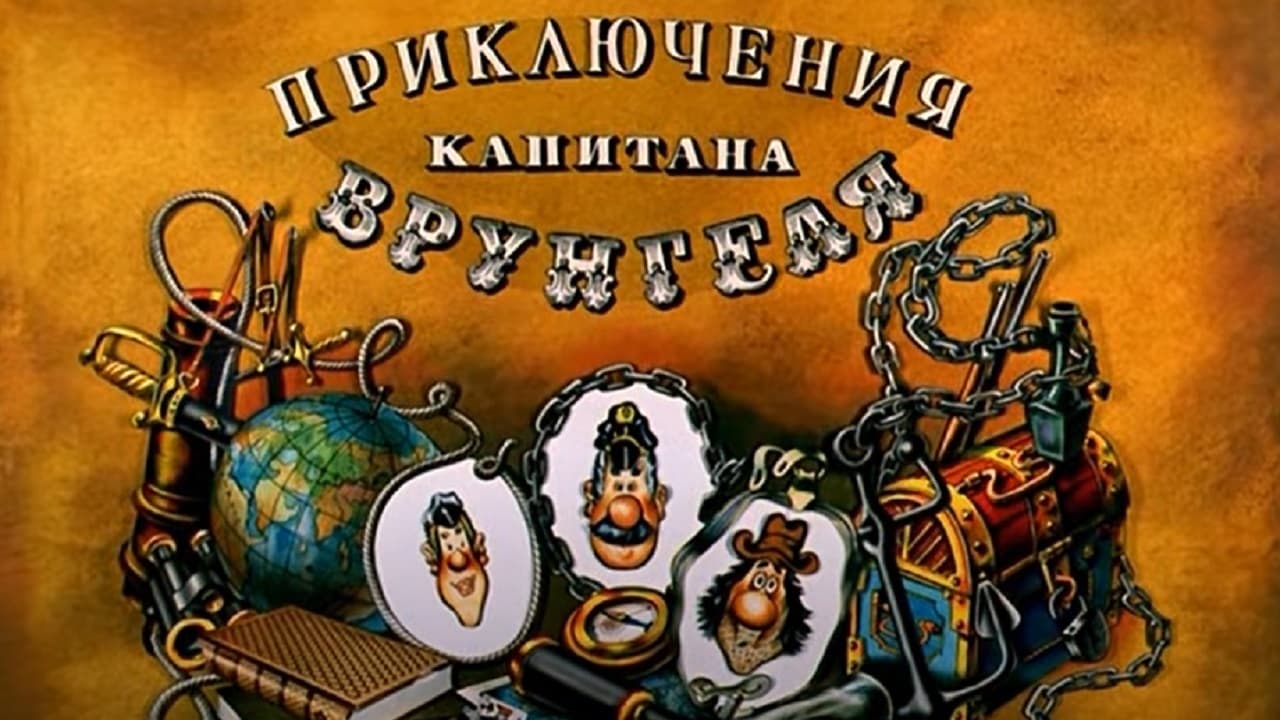
1980 · Film · Kyivnaukfilm
An old sea captain and his student decide to take part in the international regatta. At the same time an amateur thief steals a statue of Aphrodite from Louvre and boards their yacht by mistake. A long, fun adventure is ahead.
Eastern European animation
From Hedgehog in the Fog, Cheburashka, Winnie-the-Pooh and Well, Just You Wait! to the Cossacks of Kyiv, the Three Heroes, The Snow Queen and Mavka: The Forest Song. Pick a title and press Watch now.
The latest films and series in the collection

Every title opens on the official services in your country through JustWatch. Save favourites in My List; it stays in this browser.
How to watchPick an era and browse its films
Masterpieces of the auteur studios
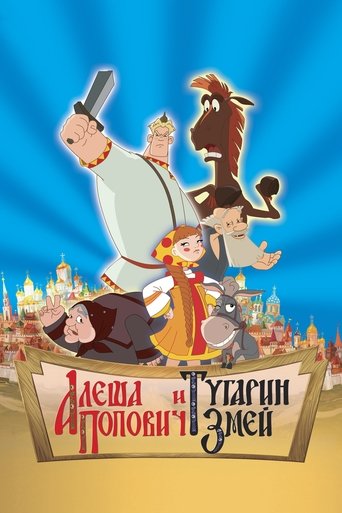
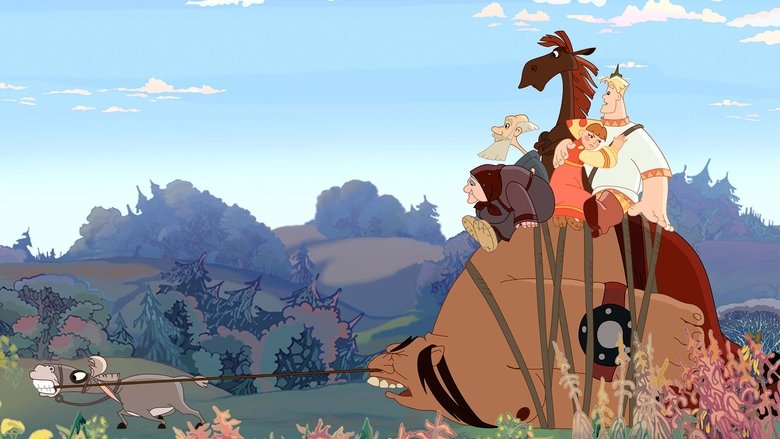 Alesha Popovich and Tugarin the DragonKonstantin Bronzit2004
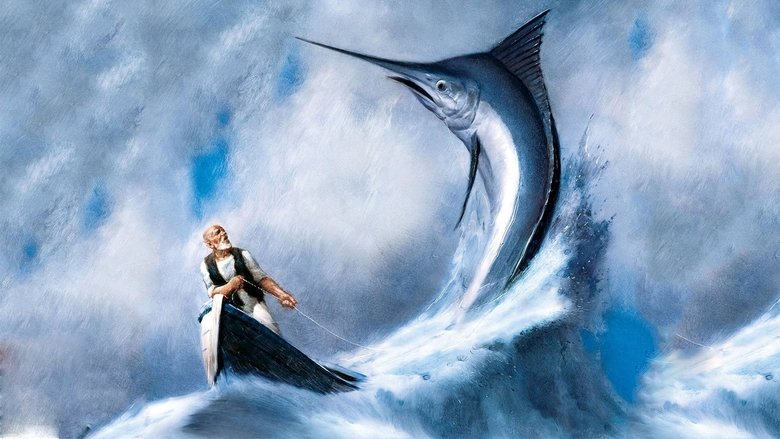 The Old Man and the SeaAleksandr Petrov1999 · 21 min
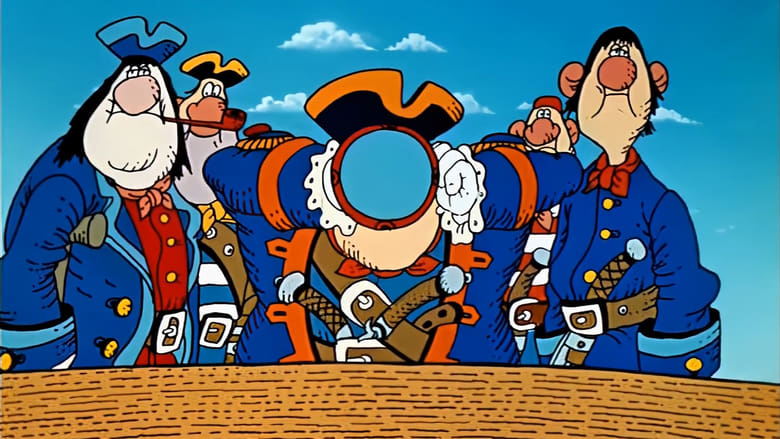 Treasure Island: Part II - Captain Flint's TreasureDavyd Cherkaskyi1987 · 59 min
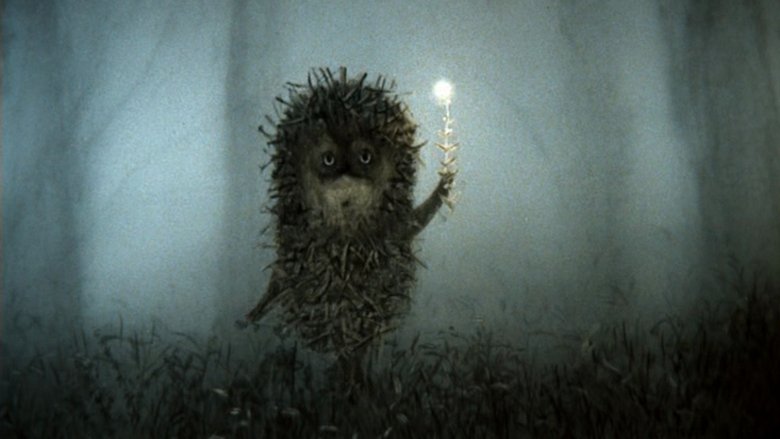 Hedgehog in the FogYuri Norstein1975 · 11 min
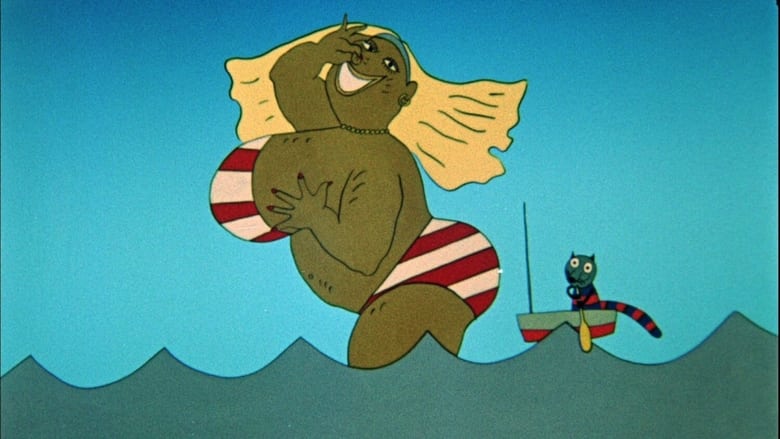 Time OutPriit Pärn1985 · 9 min
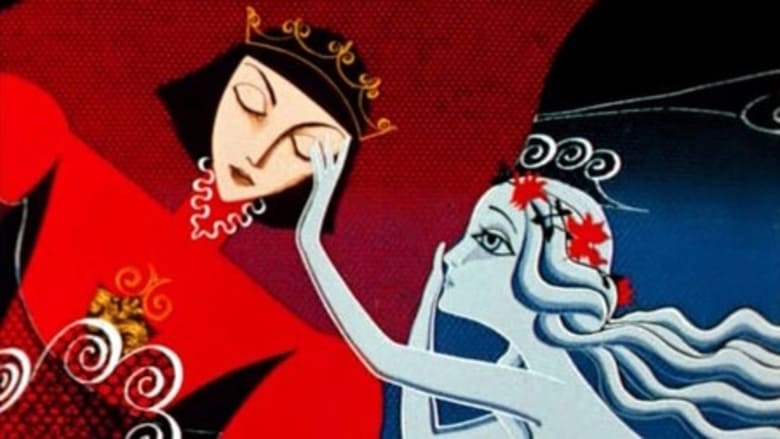 The Little MermaidIvan Aksenchuk1968 · 28 min
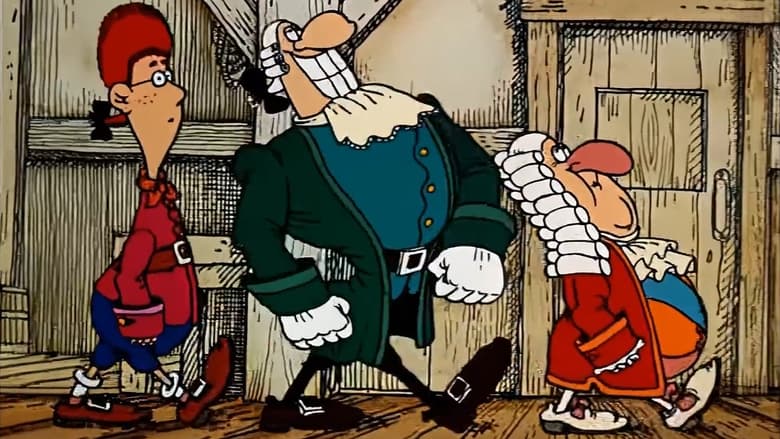 Treasure Island: Part I – Captain Flint's MapDavyd Cherkaskyi1987 · 47 min
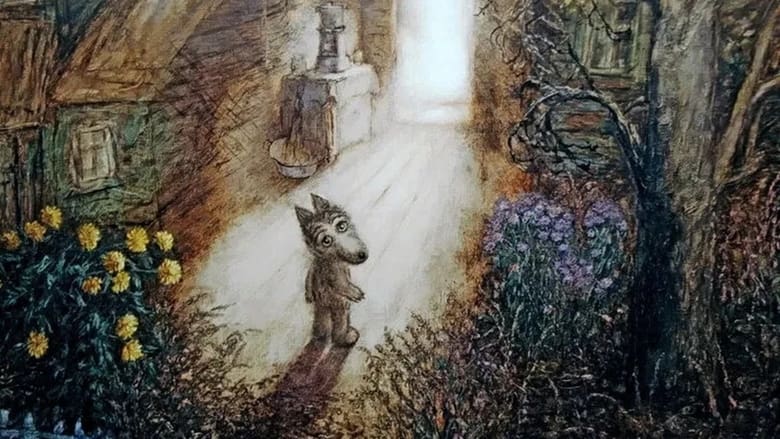 Tale of TalesYuri Norstein1979 · 29 min
The great Moscow studio, from 1936 on.
Cheburashka, the Wolf and the Hare, Kuzya and friends.
Russian and Slavic folk tales and legends.
Kipling, Milne, Lindgren, Andersen, Carroll and more.
Bogatyrs, princes and Julius the horse.
Kyiv, Tallinn and Riga.
Cosmonauts, aliens and distant planets.
Feature films since 2000.
Animated series.
AniLiberty is a guide to one of the great animation traditions of the world: the films and series made in the studios of Moscow, Kyiv, Tallinn and their neighbours from the 1930s to today. It gathers the hand-drawn fairy tales of the early Soyuzmultfilm years, the beloved characters of the 1960s and 1970s, the art films that made Yuri Norstein and Fyodor Khitruk famous around the world, the puppet and clay films of the 1980s, the Cossacks of Kyivnaukfilm and the modern features and series that carry the tradition forward.
Here you will find Cheburashka and Gena the Crocodile, the Wolf and the Hare of Well, Just You Wait!, the Soviet Winnie-the-Pooh, Karlson on the roof, Uncle Fyodor and his friends in Prostokvashino, the little hedgehog lost in the fog, the three bogatyrs and their talking horse, The Snow Queen in two very different versions, the space adventures of Alisa Selezneva and the forest spirit of Mavka. Every title has its own page with the story, the studio, the director, the voice cast and, for series, every episode with its original air date, plus a Watch now button that opens it on the official services in your country.
The collection holds more than two hundred and forty titles, each chosen by hand. This page explains how AniLiberty is built, what each part of the design is for and what waits on each shelf. It also tells the story of the studios, introduces the directors and characters you will meet and suggests routes through the collection for different moods and ages, with links to short guides on subtitles, devices, free viewing and saving titles for later.
For much of the twentieth century, the animation studios of the Soviet Union worked on a scale matched by few others. Soyuzmultfilm alone employed hundreds of artists and released dozens of films a year, and studios in Kyiv, Tallinn, Riga, Yerevan, Tbilisi and Tashkent added their own voices. Because the studios were funded to make films for children and for art rather than for the box office, directors had room to experiment with painting, puppets, cut-outs, clay, sand and glass, and to take their time over a single short.
The result is a body of work of remarkable range. It includes lush fairy-tale features that inspired a young Hayao Miyazaki, gentle comedies that every child in the region can quote, satirical shorts that slipped sharp observations past the censors, and art films that animators around the world study to this day. Many of these films have been restored in recent years, and a growing number are available with English subtitles, so there has rarely been a better time to discover them.
The tradition also continued after 1991. Studios in St Petersburg, Voronezh and Moscow built a lively feature industry with The Snow Queen, the Three Heroes and Sheep & Wolves, and Ukrainian studios produced ambitious films such as Mavka: The Forest Song and The Stolen Princess. Estonian and Latvian animators kept their reputation for invention alive in family films and personal documentaries. AniLiberty follows the whole story, from the first sound cartoons to the latest releases.
AniLiberty follows the look of the archived aniliberty.top home page of January 2026, a sleek dark site built with the Vuetify design system. The header is pure black. On the left sits the logo, a red rounded square with a white circle and the letters AL, followed by white links in bold Montserrat. On the right are the search box and round grey buttons for My List and help.
The page itself is a near-black charcoal. The home page opens with a wide carousel set inside the page margins, with softly rounded corners. Each slide shows a backdrop from one featured film, faded to black on the left, with the year and studio, the title, a few lines of the story, a red Watch now button and a grey button for the title page. Square arrow buttons sit at the lower right, and a row of short bars along the bottom shows which slide you are on, with the active bar in red.
Below the carousel come the sections. Each heading is bold white text with a small chevron, followed by a grey subtitle, just as on the reference. New on the shelf shows six rounded poster cards with the title over a dark gradient. A wide banner card with a red button explains how to watch, beside a smaller card with the four most popular titles. Through the decades has a segmented switch for four eras, with the active segment in red, over a row of dark list cards. Art films shows wide picture cards, and the shelves, the help pages and this guide follow.
There are many doors into the collection. The carousel at the top of the home page presents a handful of featured titles, one slide at a time. New on the shelf shows the most recent films and series. The decade switch jumps to the films of an era, and the shelves gather titles by studio, by theme and by kind. The header search box finds any title in English or in its original language, so you can type Hedgehog in the Fog or Ёжик в тумане and land on the same page.
Every title page gives the story, the year, the running time or the number of episodes, the studio, the director and the voice cast. Series pages list every episode with its original air date, grouped by season, and you can search for an episode directly by adding a season and an episode number, as in Heroes of Envell S2E3. At the top of each page, the Watch now button asks for your country and then opens JustWatch, which lists the subscription services, rental shops and free services that carry the title where you live.
The Browse page lists every title from A to Z, and each shelf page lists everything in a collection, most popular first. The Add to My List button on each title page saves a film or series in your browser, and My List keeps your place in series as you tick episodes off.
The heart of the collection is the Soyuzmultfilm shelf, which holds more than a hundred films from the great Moscow studio. Founded in 1936, Soyuzmultfilm grew into the largest animation studio in Europe, with separate departments for drawn and puppet animation and a roster of directors who each had a distinctive style. Its films were shown in cinemas before features, broadcast on television every evening in the children's programme and released on records and in picture books, so that several generations grew up with the same characters and songs.
In its first two decades the studio worked in a lush, realistic style influenced by Disney, with careful character animation, painted backgrounds and orchestral scores. From the late 1950s its directors turned to flatter, more graphic designs, bold colours and modern music, and puppet animation grew into a second pillar of the studio. By the 1970s Soyuzmultfilm was making everything from ten-minute comedies to feature-length adaptations of world literature, and its art films were winning prizes at festivals from Annecy to Zagreb.
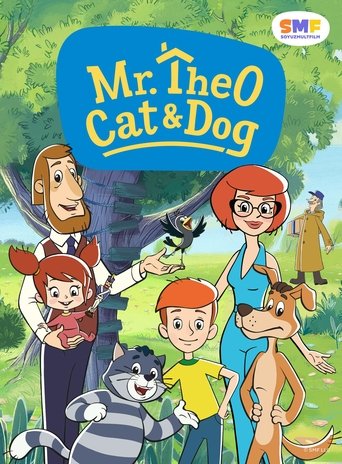
The shelf includes all of these styles. You can move from the painted palaces of The Snow Queen to the cut-out figures of Tale of Tales, from the puppet world of Gena the Crocodile to the watercolour woods of Winnie-the-Pooh, and from the fast slapstick of Well, Just You Wait! to the quiet contemplation of Hedgehog in the Fog. The studio still exists today, and it has returned to its classic characters with new series such as Mr. Theo, Cat & Dog, a modern continuation of the Prostokvashino stories.
The 1930s to 1950s shelf gathers the earliest films in the collection. The New Gulliver of 1935, directed by Aleksandr Ptushko, was one of the first feature films to combine live action with puppet animation, placing a young pioneer among thousands of Lilliputian puppets. Ptushko followed it with The Golden Key of 1939, an adaptation of Aleksey Tolstoy's version of the Pinocchio story, in which the wooden boy is called Buratino.
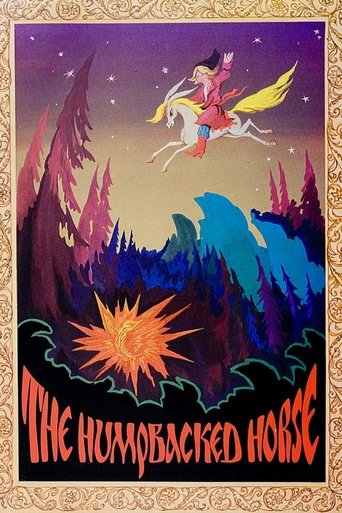
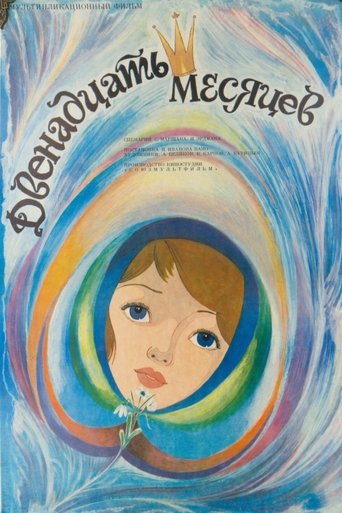
After the war, the studio produced a series of richly drawn fairy tales. The Tale of the Fisherman and the Goldfish, directed by Mikhail Tsekhanovsky in 1950, adapts Alexander Pushkin's verse tale of an old fisherman whose wife always wants more, and Tsekhanovsky's The Frog Princess of 1954 retells the famous folk tale of Vasilisa the Wise. Ivan Ivanov-Vano, one of the founding fathers of Soviet animation, directed The Snow Maiden, The Twelve Months, based on Samuil Marshak's play about a girl sent into the winter forest to gather snowdrops, and The Hunchedback Horse of 1947, which he remade in 1975 as The Humpbacked Horse.
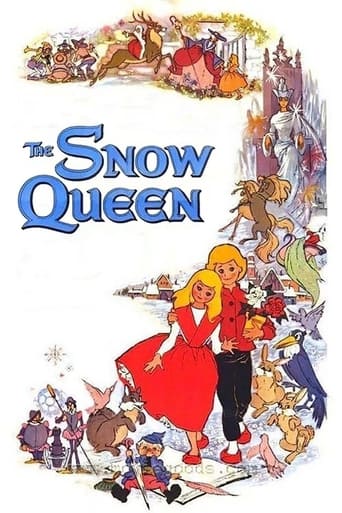
Lev Atamanov directed three of the era's masterpieces. The Golden Antelope of 1954 is an Indian tale of a greedy rajah and a magical antelope whose hooves strike gold. The Scarlet Flower of 1952 is a Russian version of Beauty and the Beast, and The Snow Queen of 1957 follows the brave Gerda on her journey to rescue her friend Kai. The Snow Queen was admired around the world, and Hayao Miyazaki has spoken of the deep impression it made on him as a young animator.
Other gems of the period include The Night Before Christmas, a Gogol adaptation by the pioneering sisters Valentina and Zinaida Brumberg, The Enchanted Boy, a lovely version of Selma Lagerlöf's Nils Holgersson, Kashtanka, after Anton Chekhov's story of a little dog adopted by a clown, and The Flower with Seven Colours, a gentle fable about a girl who receives a magic flower with seven wishes. The Adventures of Buratino of 1959 returns to the wooden boy in a bright, cheerful new version.
The 1960s and 1970s shelf is the largest in the collection, and it covers the years many fans consider the golden age of Soviet animation. A new generation of directors brought modern design, jazz and folk music, satire and personal expression to the screen, while the studio's puppet department created characters that became national treasures.
Fyodor Khitruk led the change. His Boniface's Holiday of 1965, about a circus lion who spends his holiday performing for African children, and Man in the Frame of 1966, a wry look at a bureaucrat who lives his whole life inside a picture frame, showed how much wit a short cartoon could hold. Film, Film, Film of 1968 is a hilarious account of the chaos of making a feature film, from the writer's block of the screenwriter to the frantic final shoot, and it remains a favourite among film-makers everywhere.
Andrey Khrzhanovsky brought surrealism and fine art into animation. There Lived Kozyavin follows an obedient clerk who marches straight ahead across the whole globe in search of a man called Sidorov, and The Glass Harmonica of 1968, a fable about a musician whose music awakens a greedy town, is filled with images inspired by Bruegel, Bosch and Magritte. It was held back by the censors for years and is now recognised as a classic. Armoire and Butterfly are shorter, playful works from the same director.
Roman Kachanov made the puppet films that introduced Gena the Crocodile and Cheburashka in 1969, followed by Cheburashka, Shapoklyak and Cheburashka Goes to School. Kachanov also directed The Mitten, a wordless puppet film about a lonely girl whose red mitten turns into a puppy, one of the most tender short films of the era. Boris Stepantsev directed Vovka in the Kingdom of Far Far Away, a comedy about a lazy boy who falls into a book of fairy tales, and the two Karlson films, Junior and Karlson and Karlson Returns.
The decade also produced the Soviet Winnie-the-Pooh. Khitruk's Winnie-the-Pooh, Winnie-the-Pooh Goes Visiting and Winnie-the-Pooh and a Busy Day give A. A. Milne's bear a round, cheerful design, the unmistakable voice of the actor Yevgeny Leonov and a set of songs by Moisei Vainberg that every Russian speaker knows. They are short, funny and wise, and many viewers who know the Disney version fall in love with this one too.
Musicals were another highlight. The Bremen Town Musicians of 1969, directed by Inessa Kovalevskaya with songs by Gennady Gladkov, turns the Grimm tale into a hippie road movie with a Troubadour, a Princess and a band of animals, and its songs became hits in their own right. Its sequel, On the Trail of the Bremen Town Musicians, adds a comic detective. How the Lion Cub and the Turtle Sang a Song is a two-minute musical treat, and The Nutcracker of 1973 sets Tchaikovsky's ballet to animation with elegance and wit.
Yuri Norstein began his career in these years, first as an animator on films such as The Seasons and 25 October, the First Day, then as co-director with Ivanov-Vano on The Battle of Kerzhenets, which animates old Russian frescoes and icons to the music of Rimsky-Korsakov. His own films The Fox and the Hare and The Heron and the Crane led to Hedgehog in the Fog in 1975 and Tale of Tales in 1979, described in the section on art films below.
The 1970s also brought The Adventures of Mowgli, Roman Davydov's five-part adaptation of Kipling's Jungle Book, first released as separate films from 1967 to 1971 and then as a single feature in 1973. It is darker and closer to Kipling than the Disney version, with a sleek, heroic Bagheera and a wise, grave Kaa. Three from Prostokvashino of 1978, directed by Vladimir Popov from Eduard Uspensky's book, began the story of Uncle Fyodor, a boy who moves to the countryside with Matroskin the cat and Sharik the dog, and it remains one of the most quoted films in the Russian language.
The 1980s to 1991 shelf follows the studios through their final Soviet decade, when new techniques and a looser atmosphere encouraged experiment. Clay animation arrived, directors grew bolder, and Kyivnaukfilm in Ukraine produced some of its most popular films.
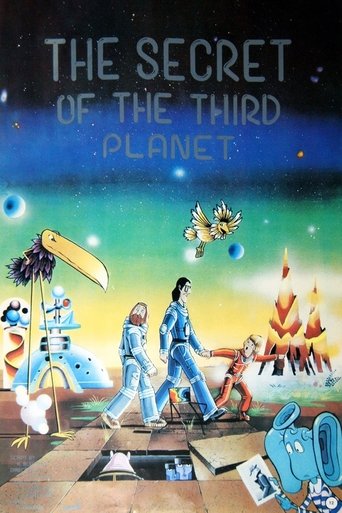
The Secret of the Third Planet of 1981, directed by Roman Kachanov from a story by Kir Bulychev, sends the young Alisa Selezneva and her father on a space expedition to collect rare animals, with a gallery of wonderful aliens, space pirates and a haunting electronic score by Aleksandr Zatsepin. It is one of the best-loved Soviet science-fiction films of any kind, and its influence can still be seen in modern Russian animation.
Aleksandr Tatarsky made plasticine his own. A Plasticine Crow of 1981 is a playful retelling of Krylov's fable about the crow and the fox, in which the story keeps changing its mind, and Last Year's Snow Was Falling of 1983 follows a clumsy peasant sent to fetch a New Year tree, with an unforgettable narrator and a string of absurd transformations. Tatarsky's Investigation Held by Kolobki of 1986 introduced two eccentric detective brothers, and he later founded the Pilot studio.
Eduard Nazarov directed Once Upon a Time, There Lived a Dog in 1982, a Ukrainian folk tale about an old dog and a wolf that is both funny and deeply touching, and the wolf's cheerful invitation to drop by any time became part of everyday speech. Nazarov's Adventure of an Ant follows an ant blown far from home by the wind, carried back by a series of friendly insects. Wow! A Talking Fish!, made in Armenia by Robert Sahakyants, is a burst of colour and comic invention.
The Prostokvashino story continued in Vacations in Prostokvashino and Winter in Prostokvashino, and the Brownie trilogy of A House for Kuzka, Adventures of Brownie and Return of Brownie, directed by Aida Zyablikova, followed a small house spirit in a modern Moscow flat. The Return of the Prodigal Parrot (Part 1) introduced Kesha, a boastful parrot who runs away from his young owner and returns home a little wiser.
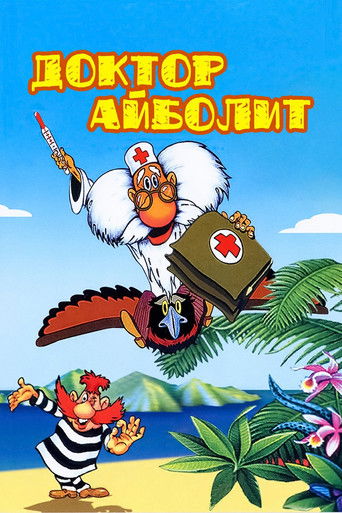
Ukraine's Kyivnaukfilm was especially productive in these years. David Cherkassky directed the nautical comedy Adventures of Captain Vrungel, the musical Doctor Aybolit and the wildly inventive two-part Treasure Island: Part I – Captain Flint's Map and Treasure Island: Part II - Captain Flint's Treasure, which mixes animation with live-action musical numbers. Kyivnaukfilm's Alice in Wonderland and Alice Through the Looking Glass are faithful, witty adaptations of Lewis Carroll.
The late 1980s brought more personal work. Aleksandra Snezhko-Blotskaya's The Cat Who Walked by Herself retells Kipling's Just So story in a dreamlike blend of styles. Aleksandr Petrov's first film, The Cow, painted in oil on glass, remembers a family's cow through the eyes of a boy, and Igor Kovalyov's Hen, His Wife of 1990 is a strange and beautiful comedy that led its director to a career in American animation.
The Beloved characters shelf gathers the heroes that generations of children have grown up with. Many of them began as characters in children's books and became even more famous on screen, and several are as well known today as they were fifty years ago.
Cheburashka is the most famous of all. Created by the writer Eduard Uspensky, he is a small furry creature of unknown species with enormous ears, found in a crate of oranges and taken in by Gena, a gentle crocodile who works at the zoo and plays the accordion. In Roman Kachanov's puppet films, the two friends build a House of Friendship, battle the mischievous old lady Shapoklyak and her rat Lariska, and sing Gena's birthday song, which is still sung at birthday parties across the region. Cheburashka became the mascot of the Russian Olympic team and a star in Japan, where he inspired new films and series.
The Wolf and the Hare of Well, Just You Wait! are the region's answer to Tom and Jerry. Directed by Vyacheslav Kotyonochkin from 1969, the series follows a scruffy, chain-smoking hooligan of a wolf, voiced by Anatoli Papanov, as he chases a clever hare through beaches, stadiums, museums and space stations, always ending with his famous threat that gives the series its name. The chases are brilliantly timed, the music borrows from pop, jazz and folk, and the series ran for decades.
Uncle Fyodor, Matroskin the cat, Sharik the dog and the grumpy postman Pechkin live in Prostokvashino, a village invented by Uspensky. Matroskin, voiced by Oleg Tabakov, is a thrifty cat who dreams of owning a cow, and Sharik is a playful dog who takes up photography. Their three films are full of lines that every Russian speaker can quote, and Mr. Theo, Cat & Dog brings them back for a new generation.
Karlson, the small, round man with a propeller on his back who lives on the roof, comes from the books of Astrid Lindgren. In Junior and Karlson and Karlson Returns, voiced by Vasily Livanov, he befriends a lonely boy and outwits the fearsome housekeeper Freken Bock, played with glorious comic timing by the great actress Faina Ranevskaya. Soviet audiences took Karlson so much to heart that his catchphrases are still in use today.
The shelf holds many other friends. Umka, the polar bear cub, sings a lullaby with his mother in Umka that is one of the most beautiful songs in Soviet animation, and he finds a human friend in Umka Is Looking for a Friend. 38 Parrots, written by Grigori Oster, follows a boa constrictor, a monkey, an elephant and a parrot as they measure the boa in parrots. Bobik Visiting Barbos is a comedy about a pampered dog and his rough country friend, A Kitten Named Woof follows a kitten with a dog's name, and Kapitoshka is a Ukrainian film about a raindrop who befriends a wolf cub.
The Fairy tales shelf gathers Russian and Slavic folk tales, verse tales by Pushkin and new stories in the folk tradition. Fairy tales were a central genre for the studios from the beginning, and every era of the collection has its own versions.
Alexander Pushkin's verse tales are a treasure of Russian literature, and several appear here. The Tale of Tsar Saltan, directed in 1984 by Ivan Ivanov-Vano and Lev Milchin, is a sumptuous adaptation with designs inspired by Russian lacquer painting, and The Tale of the Golden Rooster is a satirical fable about a lazy tsar and a magic cockerel. The Tale of the Dead Princess and the Seven Knights is Pushkin's version of the Snow White story.
Folk heroes appear throughout the shelf. Ivan the Fool rides The Humpbacked Horse, a poor chimney sweep wins a princess with The Flying Ship in Garri Bardin's rock musical of 1979, and a kind young man is rewarded by his animal friends in The Magic Ring, narrated in a wonderful rustic voice. Geese-Swans sends a brave girl to rescue her little brother from Baba Yaga, and Sister Alyonushka and Brother Ivanushka is another tale of a sister's devotion.
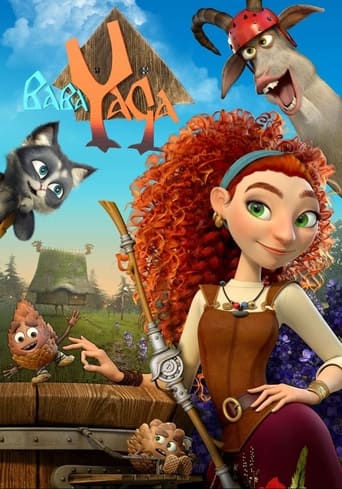
The Northern tales of Laughter and Grief by the White Sea, directed by Leonid Nosyrev, celebrate the Pomor people of the White Sea coast with designs based on their wood carving and painting. Modern features continue the tradition: Baba Yaga and How to Save the Immortal give comic new lives to the witch and to Koschei the Immortal, and The Tale of Fedot, the Shooter adapts Leonid Filatov's famous verse satire.
The The Three Heroes shelf follows the most successful animated franchise in modern Russia. The bogatyrs are the knights of Russian epic poetry: Ilya Muromets the strong, Dobrynya Nikitich the wise and Alyosha Popovich the young and cunning. In 2004 the St Petersburg studio Melnitsa began a series of comic features about them, and the films became a New Year tradition in Russian cinemas.
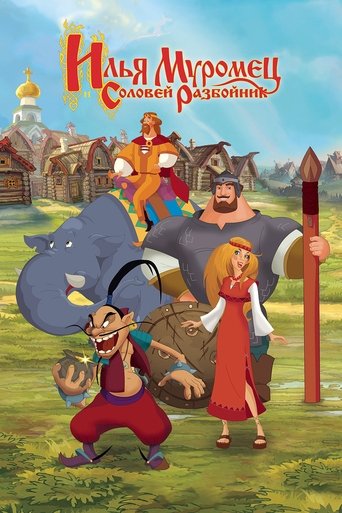
Alesha Popovich and Tugarin the Dragon started the series with a young hero who must recover a stolen treasure, accompanied by his grandmother and a sarcastic talking horse named Julius. Dobrinya and the Dragon and Ilya Muromets and Sparrow the Robber followed, each built around one of the three knights, and from Three Heroes on Distant Shores onward the three ride together, with Julius the horse as the scene-stealing star.
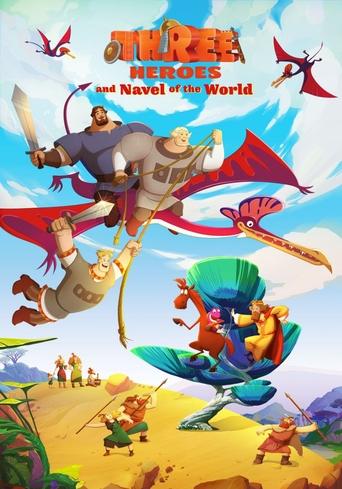
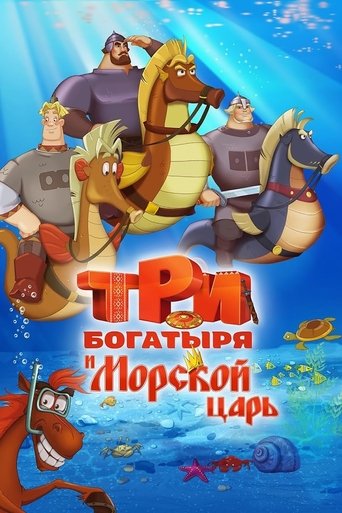
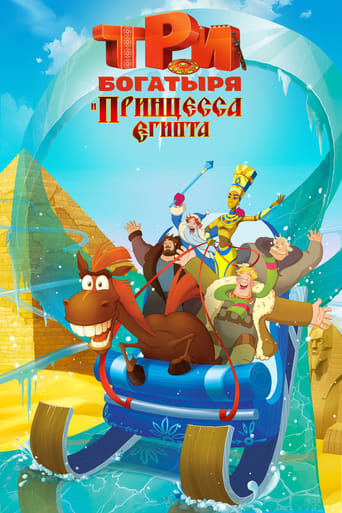
The later films send the heroes further afield. Three Heroes and Julius Caesar and Three Heroes and the Princess of Egypt visit ancient Rome and Egypt, Three Heroes and the King of the Sea goes under the waves, and Three Heroes: The Heiress to the Throne and Three Heroes and the Navel of the World continue the comic adventures at home and abroad. Julius the horse also has his own films, including Horse Julius and Big Horse Racing and Horse Julius on the Throne and Three Heroes.
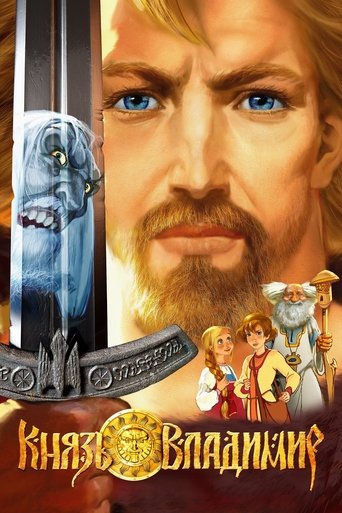
Melnitsa also made the Ivan Tsarevich & the Grey Wolf series, in which a prince, a princess and a wisecracking wolf go on madcap quests. Other studios made Prince Vladimir, a serious historical feature about the ruler of Kievan Rus, and The Fortress: By Shield and Sword, an adventure set during a siege in old Russia.
The World stories shelf gathers adaptations of books from around the world. Soviet animators loved the classics of children's literature, and their versions often have a flavour all their own.
Rudyard Kipling is well represented, with the five-part The Adventures of Mowgli, its separate episodes such as Adventures of Mowgli: Raksha and Adventures of Mowgli: Akela's Last Hunt, Rikki-Tikki-Tavi and The Cat Who Walked by Herself. A. A. Milne's bear appears in the three Winnie-the-Pooh films, and Astrid Lindgren's Karlson in two. Lewis Carroll's Alice has two films from Kyivnaukfilm, and Robert Louis Stevenson's Treasure Island has the two-part musical from the same studio.
Hans Christian Andersen inspired more Soviet films than almost any other writer. The collection holds The Snow Queen, Thumbelina, The Ugly Duckling, The Wild Swans, The Brave Tin Soldier and The Little Mermaid, a haunting 1968 version by Ivan Aksenchuk that begins with tourists at the famous statue in Copenhagen. The Brothers Grimm are behind The Bremen Town Musicians and its sequel, and Charles Perrault behind Puss in Boots.
The shelf also holds Cipollino, after Gianni Rodari's Italian tale of the onion boy who stands up to Prince Lemon, The Enchanted Boy, after Selma Lagerlöf's Nils Holgersson, Khalif the Stork, after Wilhelm Hauff, and Little Longnose, a modern feature after another tale by Hauff. The Adventures of Munchausen follows the famous German baron through his tall tales, and The Wizard of the Emerald City is a puppet series based on Aleksandr Volkov's Russian retelling of The Wizard of Oz, which modern features continue in Fantastic Journey to Oz and Fantastic Return to Oz.
Two films adapt great works for adults and older children. The Old Man and the Sea, Aleksandr Petrov's version of Hemingway's novella, is described with the art films below, and There Will Come Soft Rains, made at the Uzbekfilm studio in Tashkent, adapts Ray Bradbury's story of an automated house that continues its daily routine after its family has gone.
The Art films shelf gathers the masterpieces that made Soviet and Russian animation famous at festivals around the world. These are short films, often only ten minutes long, made with extraordinary care by directors who treated animation as a fine art. Many were made over years, frame by frame, with techniques invented for the purpose.
Yuri Norstein is the most celebrated of them. Working with his wife, the artist Francheska Yarbusova, and the cameraman Aleksandr Zhukovsky, he developed a method of layering cut-out figures on sheets of glass at different depths, which gives his films their soft, living atmosphere. Hedgehog in the Fog of 1975, from a story by Sergei Kozlov, follows a little hedgehog on his way to visit his friend the bear cub, carrying a jar of raspberry jam through a fog full of mysterious shapes: a white horse, a great owl, a friendly fish. In ten minutes it captures wonder, fear and friendship, and it is regularly named among the finest animated films ever made.
Tale of Tales of 1979, written with Lyudmila Petrushevskaya, is a poetic reflection on memory, childhood and war, built around a little grey wolf from a Russian lullaby. It has been named the greatest animated film of all time in international polls of critics and animators. Norstein's earlier films The Fox and the Hare and The Heron and the Crane are lovely folk fables in the style of Russian folk painting, and they make a good introduction to his work.
Fyodor Khitruk's art films combine sharp humour with a gentle humanity. Island, which won the Palme d'Or for short film at Cannes, is a satire about a castaway visited by the modern world, and Lion and Bull is a stark fable about two proud animals. Garri Bardin made films from unusual materials: matches in Conflict, wire in Twists and Turns, furniture and tableware in Banquet and folded paper in Adagio, and his clay Grey Wolf and Little Red Riding Hood is a hilarious musical retelling of the fairy tale.
Aleksandr Petrov paints with his fingertips in oil on glass, changing the painting a little for each frame. His The Old Man and the Sea, made for giant IMAX screens, won the Academy Award for animated short film in 2000, and his Mermaid of 1997 is a haunting love story set by a monastery on a river. Konstantin Bronzit brings sly comedy to the shelf: Lavatory Lovestory, an Oscar-nominated tale of a cleaning lady who receives mysterious bouquets, and The God, in which a statue of Shiva is bothered by a fly. His later Oscar-nominated film about two cosmonaut friends is on the Space shelf.
The shelf also holds Invention of Love, a silhouette film about an inventor in a world of machines, The Seasons, set to Tchaikovsky's piano cycle, and satirical shorts such as Passion of Spies and A Robbery In... Style, which parody the spy and gangster films of the West. Each rewards a quiet evening and a second viewing.
The Space and science fiction shelf gathers cosmonauts, aliens and distant planets. The Soviet space programme inspired pride and wonder, and animators responded with films that range from playful to thoughtful.
Alisa Selezneva, the heroine of Kir Bulychev's books, is the star of the shelf. In The Secret of the Third Planet she travels the galaxy with her father and Captain Zeleny, and in the modern series Alisa Knows What to Do! she is a twelve-year-old schoolgirl in 2093 solving problems with her friends. Contact is a short film about a meeting between an artist and an alien that ends in a shared song, and Big Ear tells of an alien who falls from the sky in front of a wolf cub.
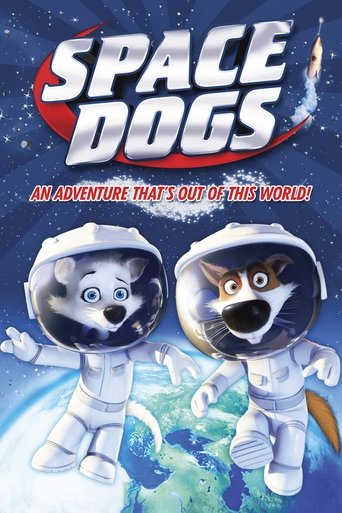
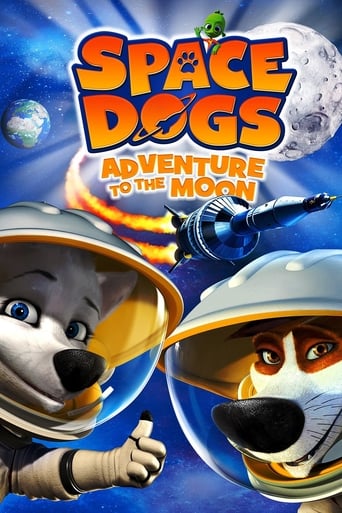
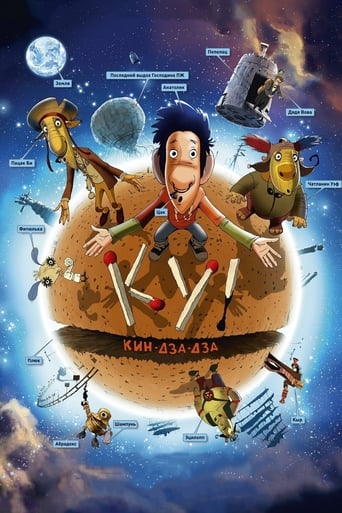
The shelf holds thoughtful films too. Polygon of 1977 is a science-fiction parable about a weapon that reads minds, The Pass of 1988 follows the survivors of a starship crash on a distant planet, and There Will Come Soft Rains adapts Ray Bradbury. Modern titles include Space Dogs and Space Dogs 2, about the famous dogs Belka and Strelka, and Ku! Kin-dza-dza, Georgiy Daneliya's animated remake of his own cult science-fiction comedy. Gagarin is an award-winning short about a caterpillar who dreams of flight, and Konstantin Bronzit's Oscar-nominated short about two cosmonaut friends in training is a moving tribute to the dream of space.
The Ukraine and the Baltics shelf follows the studios of Kyiv, Tallinn and Riga, each with its own character. Kyivnaukfilm, founded as a science film studio, opened an animation department in 1959 that became the second largest in the Soviet Union, famous for its comedy and music. Today Ukrainian studios such as Animagrad make ambitious features for audiences around the world.
The Cossacks are Kyivnaukfilm's most beloved heroes. Created by the director Volodymyr Dakhno, the series follows three Cossack friends, the tall and strong Tur, the short and quick Oko and the round and hungry Hrai, through a string of comic adventures from 1967 to 1995. In How the Cossacks Were Cooking Kulish they defend their camp, in How the Cossacks Rescued Brides they chase pirates across the sea, and in How the Cossacks Played Football they tour Europe and beat every team they meet. How the Cossacks Helped Musketeers, How the Cossacks Became Olympians, How the Cossacks Met Aliens and How the Cossacks Played Hockey take the trio to France, ancient Greece, the stars and the ice rink. Dakhno also directed Eneida, a riotous adaptation of Ivan Kotliarevsky's comic retelling of the Aeneid, the founding work of modern Ukrainian literature.
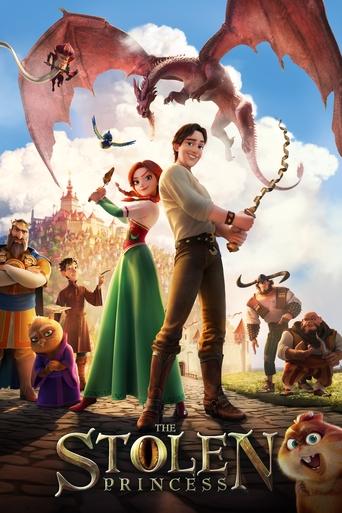
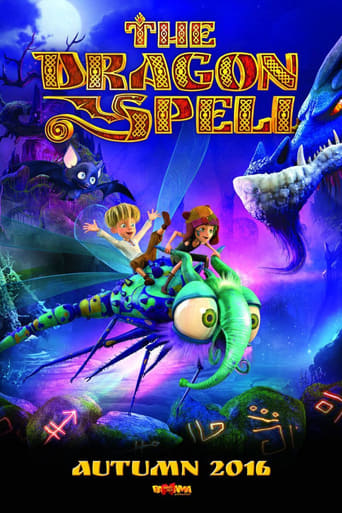
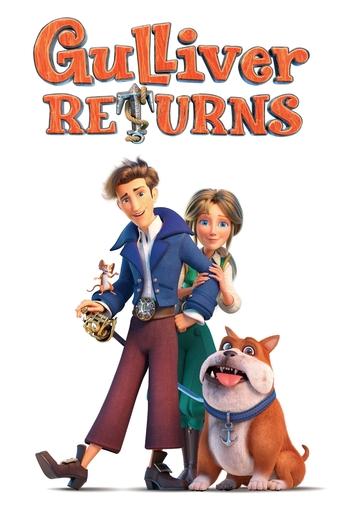
Modern Ukrainian animation has produced some of the most successful features in the collection. Mavka: The Forest Song of 2023, based on Lesya Ukrainka's verse drama, tells of a forest spirit who falls in love with a young musician and must protect her forest from a greedy businesswoman. Its rich designs, drawn from Ukrainian folk art, and its music by the folk band Go_A made it a worldwide success. The Stolen Princess is a comic adventure based on Pushkin's Ruslan and Ludmila, and Gulliver Returns and The Dragon Spell are lively family films. The Tram #9 Was Going, a comic short about a crowded morning tram by Stepan Koval, won a Silver Bear at the Berlin festival.
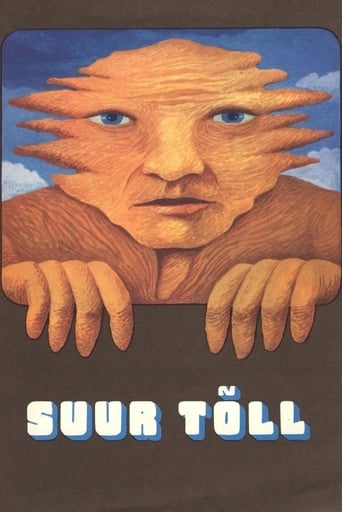
Estonian animation has a reputation for inventiveness far beyond the country's size. The puppet studio Nukufilm and the drawn animation studio Joonisfilm, formerly part of Tallinnfilm, produced many festival favourites. Tõll the Giant, directed by Rein Raamat in 1980, tells the legend of the gentle giant of the island of Saaremaa in bold, monumental drawings. ...And Plays Tricks is an early short by Priit Pärn about a small green bear who loves pranks, and Time Out, also by Pärn, follows a nervous cat through a frantic morning. Lotte and the Moonstone Secret, by Heiki Ernits and Janno Põldma, is a charming family adventure starring the inventive dog Lotte.
From Latvia comes My Favorite War, Ilze Burkovska-Jacobsen's animated memoir of growing up in Soviet Latvia, a moving film for older viewers that shows how animation can tell true stories. Together these films show the wide variety of the region's animation, from knockabout comedy to personal documentary.
The Modern features shelf gathers feature films made since 2000, when a new generation of studios brought computer animation and big-screen ambition to the region. Several of these films have been released around the world with English dubs.
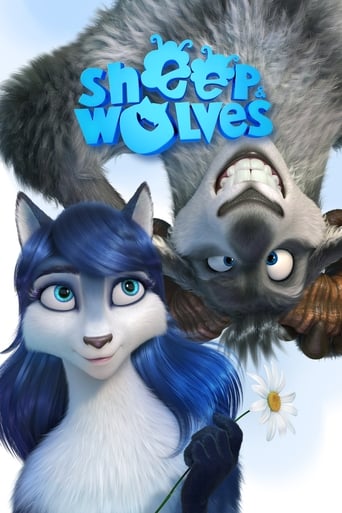
The Voronezh studio Wizart has had great international success. Its The Snow Queen of 2012 reimagines Andersen's tale with a brave Gerda, a comic troll named Orm and a ferret named Luta, and it grew into a series with The Snow Queen 2: Refreeze, The Snow Queen 3: Fire and Ice and The Snow Queen: Mirror Lands. Wizart also made Sheep & Wolves, about a young wolf who is turned into a sheep, its sequel Sheep & Wolves: Pig Deal, and Secret Magic Control Agency, a comic spy story in which Hansel and Gretel are agents on the trail of a wicked witch, which became a hit on streaming services around the world.
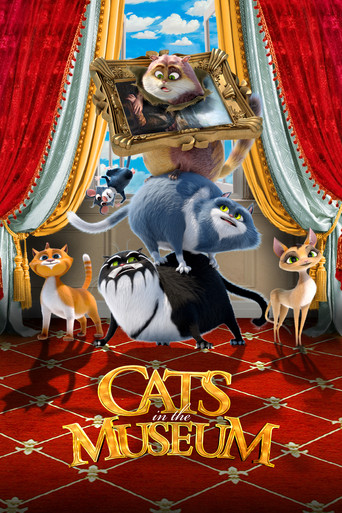
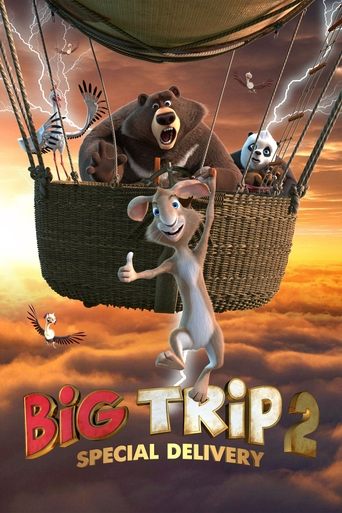
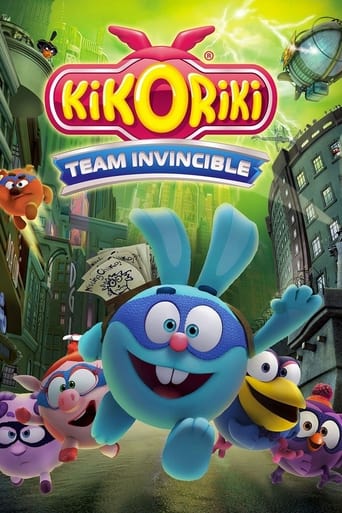
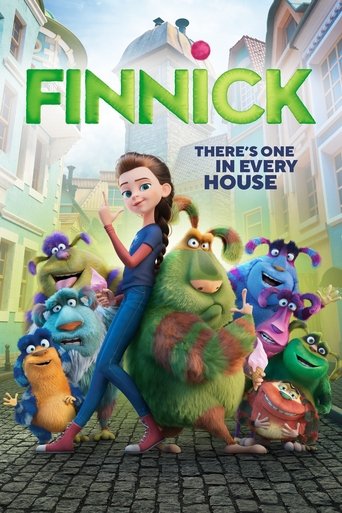
The Riki group created Kikoriki, known in Russian as Smeshariki, a family of round animal friends who appear in Kikoriki: Team Invincible, Kikoriki. Legend of the Golden Dragon and Kikoriki: Deja Vu. Riki also made Finnick, about a furry little monster who lives secretly in a family home, and the Fixies films, including The Fixies: Top Secret and Fixies VS Crabots, about tiny creatures who repair household machines. The Big Trip and Big Trip 2: Special Delivery follow a bear, a moose and friends on a mission to deliver a baby panda, and Cats in the Museum tells the story of the famous cats of the Hermitage museum in St Petersburg.
The Series shelf gathers the television series in the collection, from Soviet classics to modern hits. Series pages list every episode with its original air date, so you can follow a story from the beginning or jump to a favourite episode.
The classic series include Well, Just You Wait!, the Wolf and Hare chases, 38 Parrots, the puppet series about four friends in the jungle, The Adventures of Munchausen, The Wizard of the Emerald City and the Kyivnaukfilm Doctor Aybolit, a musical about the kind animal doctor of Korney Chukovsky's poems and his battle with the pirate Barmaley.
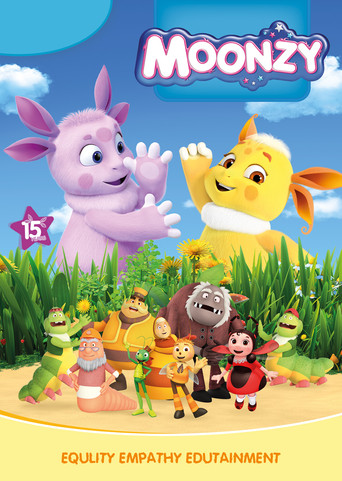
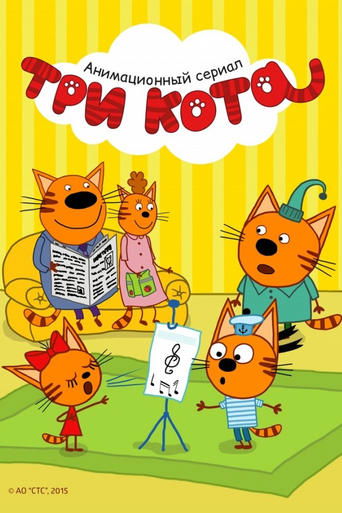
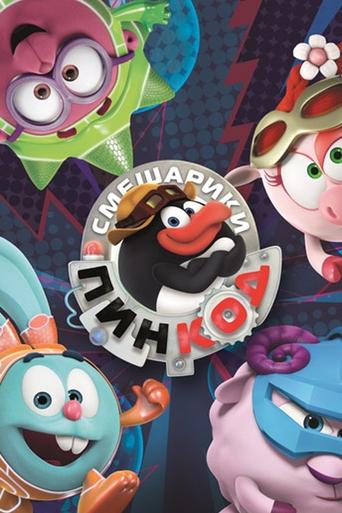
Modern series for young children include Moonzy, about a gentle creature from the Moon who lands on Earth and makes friends with the insects of a pond, Kid-E-Cats, about three curious kittens and their family, and Kikoriki: Pin-Code and Kikoriki: Sport, in which the Kikoriki friends explore science, invention and sport. Mr. Theo, Cat & Dog continues the Prostokvashino stories for a new generation, and Alisa Knows What to Do! brings back Alisa Selezneva.
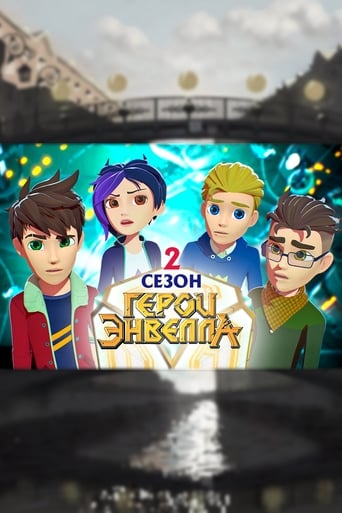
Older children and teenagers can try Heroes of Envell, about four friends from St Petersburg who are pulled into the world of a computer game, and Metal Family, a warm-hearted comedy about a family of heavy metal fans, made by an independent team and funded by its fans. Both show how the region's animation continues to find new voices and new audiences.
If you are new to Soviet animation, start with three short films that show its range: Hedgehog in the Fog for poetry, Gena the Crocodile for warmth and Well, Just You Wait! for comedy. Then try a feature such as The Snow Queen or The Secret of the Third Planet, and follow the thread that appeals to you most.
If you love fairy tales, begin with the painted features of the 1950s, move on to The Flying Ship and The Magic Ring, then enjoy the modern comedies of the Three Heroes and Ivan Tsarevich. If you love art films, watch Norstein's films in order, then explore Khitruk, Khrzhanovsky, Bardin and Petrov. If you love science fiction, start with Alisa and continue with Polygon and The Pass.
If you want an evening of laughter, try Film, Film, Film, Last Year's Snow Was Falling, Once Upon a Time, There Lived a Dog, the Cossacks and Adventures of Captain Vrungel. If you want a family film night, choose Three from Prostokvashino, the Winnie-the-Pooh films, The Bremen Town Musicians and Mavka: The Forest Song.
Most of the collection was made for children and suits the whole family. Soviet studios took children seriously, and their films combine gentle humour with real feeling, beautiful music and a respect for young viewers' intelligence. Many of the short films are ten or twenty minutes long, which makes them ideal for young children and for bedtime.
Parents who grew up with these films often enjoy sharing them with their own children, and viewers who discover them as adults find that they reward attention at any age. Some art films, such as Tale of Tales and There Will Come Soft Rains, deal with memory, loss and war and suit older children and adults. The title pages give the running time and the story, and the official services show an age rating for each title in your country.
Soviet animation was a director's art, and following a single director is one of the best ways to explore the collection. Ivan Ivanov-Vano, who worked from the 1920s to the 1980s, directed fairy-tale features across five decades, from The Hunchedback Horse to The Tale of Tsar Saltan, and taught many of the directors who followed. Lev Atamanov brought a painter's eye to The Golden Antelope, The Scarlet Flower and The Snow Queen, and later made the lively A Kitten Named Woof series.
Fyodor Khitruk, who began as an animator and turned director in the 1960s, made the Winnie-the-Pooh films as well as his satirical art films. Roman Kachanov created the puppet worlds of Cheburashka and The Mitten and later directed The Secret of the Third Planet. Vyacheslav Kotyonochkin directed Well, Just You Wait! for more than twenty years. Vladimir Popov directed the Prostokvashino trilogy and co-directed Umka.
Yuri Norstein, Andrey Khrzhanovsky, Garri Bardin, Aleksandr Tatarsky, Eduard Nazarov and Aleksandr Petrov each have their own section on this page. In Kyiv, Volodymyr Dakhno and David Cherkassky gave Ukrainian animation its comic voice, and in Tallinn, Rein Raamat and Priit Pärn made Estonian animation famous. The title pages list the director of every film, so you can follow any of them through the collection.
Music is a big part of the pleasure of these films. Composers such as Gennady Gladkov, who wrote the songs of The Bremen Town Musicians, Moisei Vainberg, who wrote the music for Winnie-the-Pooh, Aleksandr Zatsepin, who scored The Secret of the Third Planet, and Vladimir Shainsky, who wrote Gena's birthday song, gave the studios their sound, and many of their songs are still sung by children today.
The studios also drew on the finest actors of stage and screen. Yevgeny Leonov voiced Winnie-the-Pooh, Anatoli Papanov the Wolf, Oleg Tabakov the cat Matroskin, Vasily Livanov Karlson and Faina Ranevskaya the housekeeper Freken Bock. Georgy Vitsin gave the house spirit Kuzya his cheerful mumble, and the character actor Armen Dzhigarkhanyan made the wolf of Once Upon a Time, There Lived a Dog unforgettable. Listening to the original voices, with subtitles, is the best way to enjoy these performances.
Many of the classics on AniLiberty have been restored, and a large number are available on official studio channels, often free of charge, with subtitles in several languages. Modern features and series are carried by streaming services and digital shops in many countries, some with English dubs. The Watch now button on each title page shows where a title is available in your country, with labels for subscription, rental, purchase and free viewing.
Availability changes from country to country and from month to month, which is why Watch now asks for your country first. The older films were made for square screens, so they appear with bars at the sides on a widescreen television; that is how they were meant to be seen. The short films are ideal for watching a few at a time, just as they were shown on television in the evening children's programme.
Titles on AniLiberty are listed under their best-known English names, with the original Russian, Ukrainian, Estonian or Latvian title on each page. Some films are known by several English titles: Well, Just You Wait! is also known as Nu, Pogodi!, Moonzy as Luntik, Kikoriki as Smeshariki and Kid-E-Cats as Three Cats. The search box understands every version and the original titles, so you can type whichever name you know.
Most classics are best enjoyed in their original language with subtitles, and many official channels offer English subtitles. The Subtitles and dubs guide explains how to switch languages in the player, and the Finding a title guide explains searching by original title and by episode.
Every title on AniLiberty was chosen by hand. The editors began with animation from Russia, Ukraine, Estonia and Latvia in The Movie Database, favoured the titles that viewers rate and discuss most, and then read the story of each candidate. Films for grown-ups, such as the satirical Estonian shorts made for adult audiences, were set aside, so the collection stays focused on family films, classics and art films suitable for a wide audience.
Posters, stories and production details come from The Movie Database, and the collection is refreshed as new titles appear. The About page explains more about the site and what it keeps in your browser.
The full list of shelves lives on the collections page. Everything holds every title, Series gathers the television series and Films gathers the features, specials and shorts. The themed shelves are Soyuzmultfilm, Fairy tales, The Three Heroes, World stories, Beloved characters, Art films, Space and science fiction, Ukraine and the Baltics and Modern features. The era shelves are 1930s to 1950s, 1960s and 1970s, 1980s to 1991 and Since 1992, and Top rated lists the titles with the highest audience scores.
Short help pages answer everyday questions. The how to watch guide walks through the steps from a title to the screen, and a short history of Soviet animation sets the scene. Soyuzmultfilm on AniLiberty, Fairy tales on AniLiberty, Art films on AniLiberty and Ukraine and the Baltics suggest first titles on the main shelves.
For practical questions, Subtitles and dubs covers languages, Finding a title covers search, My List covers saving titles and Apps and devices covers phones, tablets and televisions. Free Soviet animation explains legal ways to watch at zero cost, Where AniLiberty titles stream describes the official services behind the guide and Streaming safely offers a short checklist. The official AniLiberty site describes how to recognise AniLiberty, and Is AniLiberty working? offers quick fixes when a page misbehaves.
AniLiberty is a guide to Soviet, Russian, Ukrainian and Baltic animation, with a Watch now button that opens each title on the official services in your country through JustWatch.
Hedgehog in the Fog, Gena the Crocodile and Well, Just You Wait! are three short films that show the range of the collection. For a feature, try The Snow Queen of 1957 or The Secret of the Third Planet.
Soyuzmultfilm is the great Moscow animation studio, founded in 1936. It made most of the Soviet classics in the collection, from Cheburashka to Hedgehog in the Fog.
Yes. Nu, Pogodi! is the Russian title, and the search box on AniLiberty understands both names.
Many classics are available with English subtitles on official studio channels and services, and several modern features have English dubs.
The Winnie-the-Pooh films, the Cheburashka films, the Prostokvashino films, 38 Parrots, Moonzy, Kid-E-Cats and the Kikoriki films are great for young children.
Choose your country and press Watch now. JustWatch opens with the subscription, rental, purchase and free services that carry the title where you live.
Press Add to My List on any title page. My List lives in your browser and can be exported to a small file for another device.
Yes. Type an original title such as Ёжик в тумане into the search box, or add a season and an episode, such as Heroes of Envell S2E3, to land on a single episode.
The Old Man and the Sea by Aleksandr Petrov, painted in oil on glass, won the Academy Award for animated short film in 2000.